SPONSORED BY LYCRA® VintageFX fiber
INDUSTRY FOCUS: DENIM
Adding Affordability Into the Denim Mix Amid Economic Challenges
The working-class origins of denim eventually bled into the culture of rebels and misfits—a far cry from high price points. Once denim became stylish, rising price points placed it farther from its humble beginnings. There is now denim across all fashion categories and retail pricing. Its versatility, durability and status as a fashion staple make it one of the most ubiquitous options for apparel.
For denim and apparel insiders, from discount retailers to luxury fashion houses, this category might seem to be an easy sell during times of economic hardship, but convincing consumers to part with their hard-earned cash remains difficult. California Apparel News asked denim experts: What are the best solutions to present affordable options in the denim space amid global tariffs and challenged economies?

Christina Choi
Founder
DE: Part Denim
The best solutions are to make smarter decisions throughout the supply chain rather than simply lowering quality or raising prices.
For us, one of the solutions is producing closer to market when possible. While the unit cost may be higher, shorter lead times and lower minimums help reduce inventory risk and overproduction, which are often much more expensive in the long run.
Also, it’s important to create products that customers genuinely value. In a challenged economy, consumers become much more intentional with their purchases. If you deliver exceptional fit and quality at a fair price, people are often willing to invest because the product lasts. Affordability isn’t always about having the lowest price—it’s about delivering the best value.

Onur Çınar
Senior Marketing Executive
ISKO
Affordability is increasingly about delivering greater value rather than simply lowering the cost of the fabric. At ISKO, we focus on developing solutions that combine performance, comfort, durability and design appeal, allowing brands to create products that deliver long-term value to consumers.
At the same time, we are seeing greater interest in versatile and commercially relevant fabrics that can work across different fits, categories and collections. Technologies that enhance comfort or performance without adding unnecessary complexity can help brands optimize product development and production.
Scale and efficiency are also becoming increasingly important. By combining advanced textile technologies with industrial-scale manufacturing capabilities, we can support brands in developing differentiated denim solutions while responding to cost pressures across the supply chain.
Ultimately, the goal is to find the right balance between price, quality, performance and desirability, ensuring that denim remains accessible without compromising the product experience.

Laura Corna
Sales Manager
ACM
At ACM, we are seeing growing demand for raw, non-electroplated metals such as aluminium and steel. Compared with more elaborate electroplated finishes, these materials can help reduce both production costs and process complexity, while also offering environmental benefits through the reduced use of electroplating treatments.
Their naturally industrial and understated appearance is particularly well suited to denim, where authenticity, functionality and a worn-in aesthetic remain central. Rather than representing a compromise, raw metals can become a deliberate design choice: contemporary, functional and consistent with the identity of the garment.
The best affordable solutions, therefore, are not simply lower-cost alternatives. They emerge from the combination of intelligent material selection, process efficiency and aesthetic relevance. In this way, brands can manage costs, reduce environmental impact and continue to offer denim products with a strong and distinctive identity.
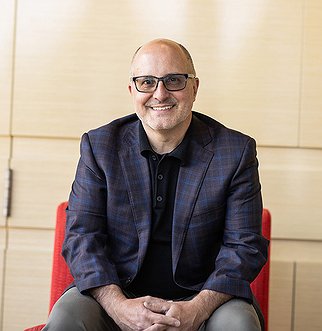
Chad Doub
Global Market Segment Manager, Casual Wear and Home
Eastman Naia
The most effective solutions are those that combine proximity, flexibility and performance, helping the value chain manage costs and tariff exposure without reducing product value. Brands and mills need solutions that can adapt to different markets, applications and price points while also being developed closer to where products are made and sold.
In denim, for example, the U.S. market plays a central role due to its strong heritage and brand ecosystem. This makes collaboration with regional supply chains essential, including mills in Mexico and the broader network that comes together in initiatives such as the Apparel Sourcing Show in Guatemala City. These connections help link material innovation with regional production capabilities and support more-localized sourcing strategies.
Versatility is equally important, across performance requirements and price points. The Naia Renew denim proposition is structured around three directions. Authentic Denim blends Naia Renew with cotton to preserve denim’s familiar character while enhancing softness and dry comfort. Fashion Denim combines it with lyocell for lighter, more-fluid constructions. Performance Denim pairs it with polyester or recycled polyester to support moisture management, quick-dry performance and odor management.
This adaptability allows mills and brands to build differentiated products from a shared fiber platform, responding more efficiently to different consumer expectations, end uses and market segments.

Anatt Finkler
Creative Director
Global Denim
When the market is under pressure and uncertainty becomes the norm, relationships matter more than ever. This is the moment to remind customers, supply-chain partners and the brands we work with that we’re committed for the long term, not just when business is easy. Trust is built over years, and periods like this are when it proves its value.
From a product perspective, core programs become the strongest strategy. When confidence drops, brands are naturally less inclined to take risks on highly directional products. That doesn’t mean innovation disappears. It simply shifts. Instead of chasing the next big thing, innovation comes from improving what already works: developing better fabrics, integrating more-responsible materials, optimizing processes and delivering greater value without compromising quality. Timeless, versatile products tend to outperform trend-driven ones in uncertain markets.
From a sourcing standpoint, nearshoring has become one of the most effective ways to reduce exposure to tariffs and supply-chain volatility. Producing closer to the end market shortens lead times, lowers freight and currency risk, and provides greater agility when demand shifts. That’s where mills like ours in Mexico can play an important role.
At the same time, nearshoring shouldn’t come at the expense of long-standing supplier relationships. The strongest supply chains are built on diversification, not replacement. Brands that balance trusted global partners with reliable regional manufacturing and collaborations are ultimately more resilient than those constantly chasing the lowest landed cost. In the end, the same principle applies across the board: long-term partnerships, consistency and reliability will always create more value than short-term decisions driven solely by cost.
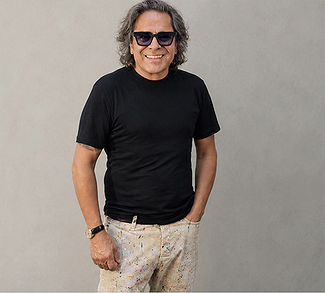
Paolo Gnutti
Creative Director
ISKO LUXURY BY PB
In times of global tariffs and economic uncertainty, the challenge is not simply to make denim more affordable but to make it smarter.
For decades, denim has been the world’s most democratic fabric. It has always combined quality, functionality and accessibility, becoming a universal language that transcends generations, cultures and lifestyles. I believe this is still its greatest strength.
When costs increase, the most immediate reaction is often to reduce them. I prefer to look at it from a different perspective: increasing the value of what we create. A product with a strong identity, designed to last and to create an emotional connection, will always be a better investment than one that simply costs less.
Today we have incredible opportunities through innovation. Advanced materials, responsible dyeing technologies, new finishing techniques and more-efficient production processes allow us to offer greater value without necessarily increasing the final price.
I also believe consumers are changing. They are no longer looking only for a garment; they are looking for authenticity, quality and products with a story worth wearing. They want pieces that remain relevant beyond a single season.
For me, the future of denim is about balancing tradition with innovation, creativity with technology and accessibility with lasting value. Denim should continue to be the world’s most democratic fabric while becoming one of its most innovative.
The future doesn’t belong to the products that cost less. It belongs to the products that are worth more.
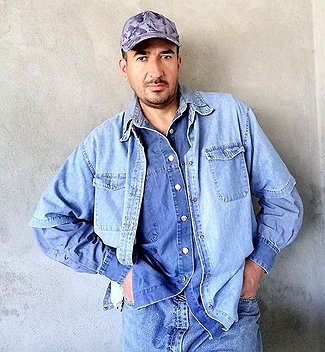
Juan Carlos Gordillo
Independent Designer
The conversation around affordable denim often starts with tariffs. I believe it should start with value.
Tariffs certainly increase costs, but they are not the root cause of the industry’s challenges. They simply expose a business model that has spent decades teaching consumers to expect more for less.
The solution is not to make denim cheaper. The solution is to make it more valuable.
That begins with educating consumers through honest storytelling. When people understand why a well-made pair of jeans lasts longer, uses better materials, reflects skilled craftsmanship and is produced under responsible labor and environmental standards, they stop comparing only prices and begin recognizing true value.
At the same time, I believe the industry should continue strengthening regional manufacturing and producing closer to the markets it serves. Shorter supply chains improve resilience, quality, collaboration, transparency and accountability while creating a healthier balance between business and responsibility.
A responsibly made garment will never compete with fast fashion on price alone—and it shouldn’t have to. They are fundamentally different products created for different expectations and different consumers.
The future of denim will not be defined by who offers the lowest price. It will be defined by who earns the greatest trust through thoughtful design, lasting quality, transparency and purpose.
Affordability should not mean making denim cheaper. It should mean creating denim that is truly worth its price.
Philippe Mignot
Project Manager
NextPrinting
For us, digital textile printing represents a particularly effective response to market uncertainty. It enables brands to develop and produce smaller quantities without having to commit to high minimum-order volumes, aligning production more closely with actual demand and limiting the risk of overproduction. Faster development and execution times also allow companies to respond more quickly to changes in the market and consumer preferences.
Digital printing also offers significant advantages during sampling, prototyping and collection development. By reducing preparation times and allowing rapid modifications, it enables brands to maintain greater flexibility until the final stages of the process, avoiding premature investment in high volumes or solutions that have not yet been fully validated.
A further advantage is the possibility of integrating printing and finishing within the same design and development process. This makes it possible to achieve denim, vintage, leather and trompe-l’œil effects with a high degree of precision and repeatability, increasing the perceived value of the product without necessarily relying on more-complex traditional processes.
In a context of strong cost pressure, the most effective response is to offer speed, quality, service, customization and the ability to transform an idea rapidly into a reliable and distinctive product. This is where digital printing can help make denim more accessible, reducing risk, lead times and complexity, without diminishing its creative value.

Ebru Ozaydin
Product Category Director—Denim, Wovens and Ready-to-Wear
The LYCRA Company
Global tariffs, inflation and cautious consumer spending are redefining value in denim. While some brands may respond by lowering quality to reduce costs, The LYCRA Company believes affordability should be measured by cost per wear, not simply purchase price. The jeans consumers value most are those that maintain their fit, comfort and appearance over time.
Our LYCRA XTRA LIFE brand platform is designed to extend garment life by addressing the reasons consumers stop wearing their favorite jeans. LYCRA VintageFX fiber remains the market’s only comfort-stretch solution that delivers authentic rigid denim aesthetics with lasting comfort and recovery. LYCRA ADAPTIV fiber adapts to everyday movement and natural fluctuations in body size, helping garments stay comfortable and wearable longer. LYCRA T400 fiber serves as the fabric’s performance engine, delivering durable stretch, recovery and shape retention. LYCRA Anti-Slip fiber—the denim industry’s only value-chain solution—improves garment construction by reducing seam slippage and is now also available as renewable LYCRA Anti-Slip fiber.
These technologies can be combined into layered performance systems. For example, LYCRA VintageFX EcoMade fiber paired with renewable LYCRA fiber delivers authentic vintage styling, lasting comfort and renewable content in one fabric solution.
Beyond fiber innovation, The LYCRA Company brings decades of expertise across the entire denim value chain, partnering with mills, garment manufacturers, laundries and brands to engineer better-performing garments.
Ultimately, affordable denim is not about making cheaper jeans—it is about creating jeans that last longer, perform better and deliver greater value with every wear.

Stefano Parrotta
Technical Manager
SOKO
Everyone in this industry is getting their margins squeezed. The goal isn’t just using cheaper ingredients—it’s about building smarter processes. When we help laundries cut down on energy, water and processing time, brands can keep their collection affordable without compromising on quality.

Katie Tague
Senior Vice President, Global Marketing and Sales
Artistic Milliners PVT LTD
Affordability doesn’t have to come at the expense of innovation or product integrity. The most successful brands are finding value by investing in versatile fabrics that deliver multiple benefits—from comfort and durability to performance fibers—while creating efficiencies throughout the supply chain.
Rather than chasing the lowest cost, we’re focused on helping our partners build stronger assortments with fabrics that perform across multiple categories and price points. Innovation that improves manufacturing efficiency, reduces waste and extends product longevity ultimately creates value for both brands and consumers, making denim more accessible even in a challenging global environment.
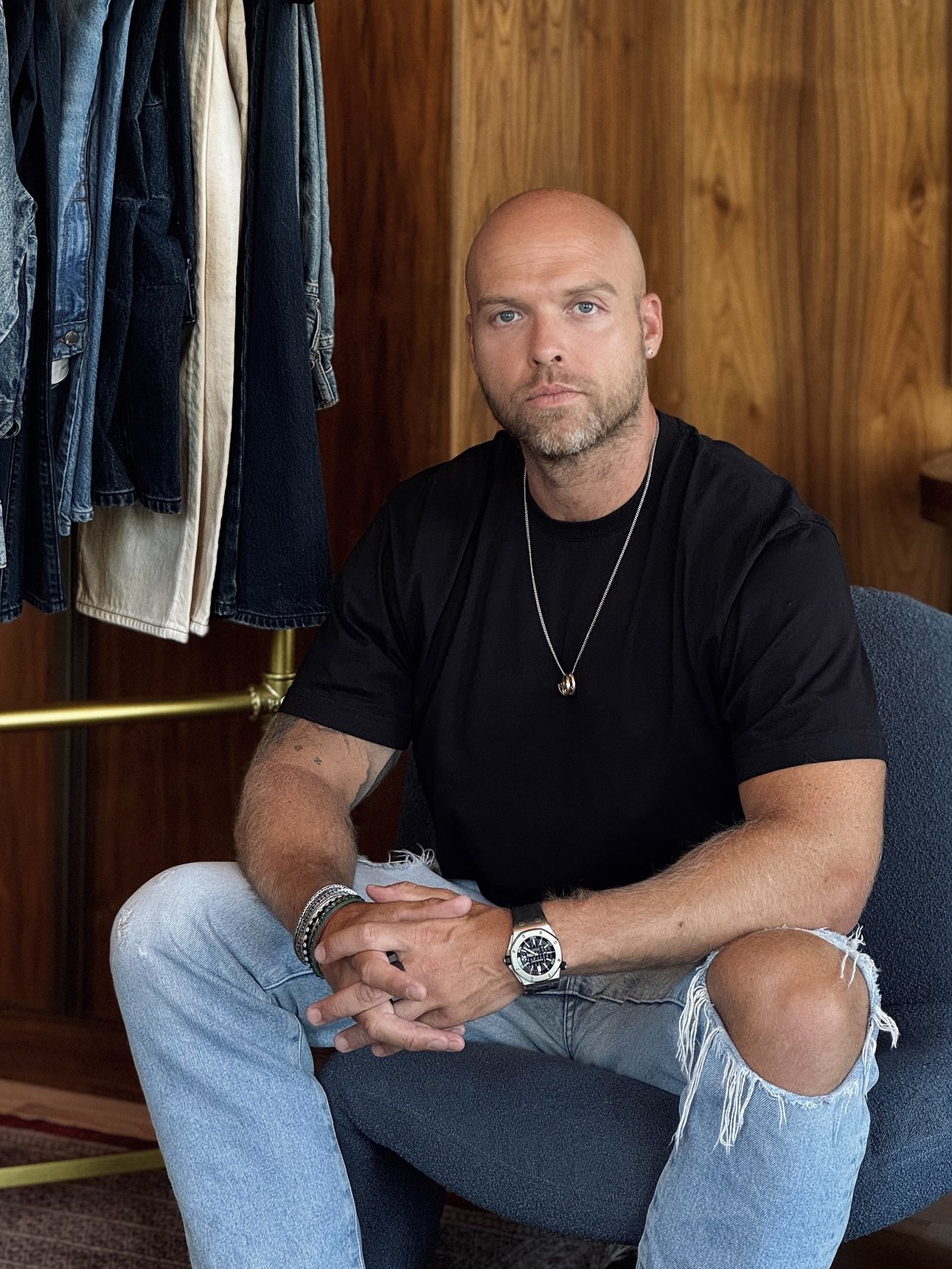
Adam Taubenfligel
Co-founder and Creative Director
Triarchy
Affordability is often framed as a pricing problem, but I think it’s fundamentally a systems problem.
When tariffs rise or economies tighten, brands are forced to absorb higher costs, pass them on to consumers or compromise somewhere else. That usually means lower quality, more promotions or increased pressure throughout the supply chain.
The better solution isn’t simply finding a cheaper way to make denim. It’s designing a production system that removes unnecessary cost in the first place.
Fashion still relies on processes that consume enormous amounts of water, energy, chemicals, transportation and inventory. Each one adds cost before a garment ever reaches a customer. If we can eliminate those steps rather than optimize them, affordability and sustainability stop competing with one another.
That’s why I believe the industry’s biggest opportunity is redesign rather than efficiency. Better systems don’t just reduce environmental impact—they create more-resilient businesses that are less vulnerable to external shocks, whether that’s tariffs, inflation or supply-chain disruption.
Consumers deserve products that are well made and fairly priced, especially during challenging economic times. The brands that succeed won’t simply be the ones that absorb today’s pressures. They’ll be the ones that rethink how products are made so that lower cost becomes the natural outcome of a better-designed system.

Alice Tonello
Chief Brand and Strategy Officer
Tonello
The best way to offer more-affordable options in denim is to rethink the process itself.
Alternative technologies can deliver the authentic looks the market expects while reducing the real cost of production. This means using less water and energy, lowering wastewater treatment costs, reducing harmful chemicals and achieving more-consistent results.
A fast return on investment is essential, but so is quality. Fewer defects, less reprocessing and fewer second-quality garments can make a significant difference to the final cost without compromising the product.

Andrea Venier
Managing Director
Officina39
In a market affected by tariffs, inflationary pressure and cautious consumers, cost remains critical. Denim must compete not only on affordability, but on quality, emotion, aesthetics and product relevance.
At Officina39, this is where imaginable and performable strategic pillars come together.
Imaginable represents the creative power of chemistry: technologies that help brands and laundries create stronger visual identities and renewed desirability. Platforms such as Marvel Coating, with its leather-like, brilliant, metallic and laser-enhanced surface effects, or Recycrom, which transforms textile waste into a new language of color, show how finishing can make denim more distinctive, premium and emotionally relevant.
Performable makes this creativity industrially realistic. Technologies such as ZERO PP ALL.IN, designed to replace potassium permanganate through a simplified and cost-neutral process with laser and ozone, or AQUALESS ALL-IN-ONE, developed to replace pumice stones while reducing water, sludge, handling and garment damage, demonstrate that efficiency can support both responsibility and product value.
The solution is a denim with a stronger value equation: more beauty, more differentiation and more quality, produced through smarter processes.
When efficiency serves creativity, denim can remain accessible without becoming ordinary—and can regain the desirability that has always made it an icon.

Alejandro Ventura
Sales Director
Tejidos Royo
In today’s environment, affordability is not about making cheaper denim. It is about creating more value through innovation, efficiency and supply-chain resilience.
We believe the best solutions start with industrial efficiency and vertical integration. Our new vertical manufacturing platform in Alcudia de Crespins (Valencia, Spain) streamlines processes, increases flexibility, shortens lead times and improves cost efficiency while maintaining the quality, consistency and service global brands require.
Traceability and transparency are equally important. As brands navigate tariffs, regulations and changing sourcing strategies, fully traceable products help reduce risk, improve planning and build consumer confidence.
Innovation remains a key driver of affordability. Through technologies such as Dry Indigo, advanced finishes and differentiated coatings, we help brands create premium products with lower resource consumption and greater manufacturing efficiency. Our fabric developments combine Spanish regenerative cotton, lyocell and proprietary stretch technologies to deliver softness, comfort, elasticity and recovery. The result is a garment that looks better, lasts longer and retains its fit throughout its life cycle.
We also see durability, circularity and recyclability as critical value drivers. Our portfolio includes 100 percent recycled fabrics, recyclable constructions and regenerative fiber solutions that reduce dependence on virgin resources while supporting a circular model.
We continue investing in research and development, and our technical division has developed a range of premium-denim fabrics, made to protect workers in demanding industrial environments with the comfort and aesthetics of everyday denim.
Affordability and innovation are not opposing forces. Together, they create lasting value for brands, consumers and the entire denim ecosystem.

Luciana Vivolo
Chief Product Officer
Vivolo
Making a product more affordable should not mean compromising on quality. The most effective solution is often to optimize processes while also increasing flexibility.
At Vivolo, we work closely with denim brands to develop alternative solutions that preserve the premium look and identity of the garment while keeping component costs under control. Lightweight metal finishes, Jacron labels and carefully selected materials can deliver strong visual impact without adding unnecessary complexity or expense.
Another key aspect is designing trims that comply with environmental requirements and can be more easily integrated into recyclable products. This enables brands to reduce waste, limit regulatory and customs-related risks, and make more-efficient sourcing decisions.
Production flexibility is equally important. Lower minimum-order quantities allow brands to test new collections without overloading inventory while rapid prototyping makes it possible to assess and refine solutions before moving into large-scale production.
The goal, ultimately, is not simply to make the product cheaper but to make every design and production decision more efficient. This can also result in a more-accessible price point, which is particularly relevant in the current economic climate.
Responses have been edited for clarity and space.