INDUSTRY FOCUS: DENIM
Trend-Driven Vs. Classic—How Cash-Strapped Customers Shop for Denim
 SPONSORED BY MARITAS
Economic challenges such as high fuel prices and the soaring cost of living have left many consumers with no choice but to tighten their budgets. One of the first ways shoppers cut costs is through reduced spending on new clothes.
Luckily, for the denim industry, while consumers might decrease spending on updating their wardrobes, jeans are often a sound purchase due to their versatility and durability. From workers in blue-collar careers who value long-lasting workwear to professionals who dress according to relaxed corporate dress codes that include tailored styles, consumers will continue to invest in denim.
California Apparel News asked denim-industry insiders: As consumers feel strain on their wallets, is there greater pressure to promote, design and sell classic functional elements that nod to denim’s workwear lineage and longevity, or are trend-driven styles still in demand?

Wilson Avalos
President
The Common Link
This largely depends on consumer demographics.
Younger consumers tend to be more trend-driven and use fashion as a key form of self-expression. For this group, staying current with new silhouettes and design details is essential as their appetite for design and innovation is strong.
At the same time, a substantial portion of the market continues to be anchored by denim loyalists for whom a classic jean with a timeless finish is more important. For these consumers, quality, fabric and fit outweigh trend relevance.
We place strong emphasis on identifying our customers and developing products that best serve their needs. This means, in some instances, delivering fashion-forward innovation for trend-led consumers while continuing to reinforce authenticity, craftsmanship and longevity for those who value denim at its core.
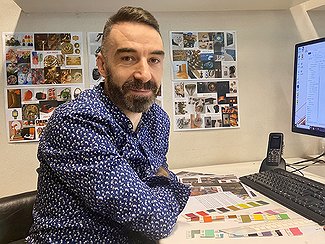
Andrea Cappa
Fashion Designer
ACM
Denim is one of the few fashion categories that continues to remain relevant precisely because it can combine, blend and cross-pollinate heritage and new trends. Its workwear roots, the value of authenticity and the strong cultural heritage that define it remain fundamental elements for consumers.
Classic denim codes continue to serve as a point of reference, but they are reinterpreted through accessories, finishes, materials and details capable of constantly renewing their expression.
In an increasingly selective market, consumers are looking for garments that convey authenticity while also expressing a contemporary vision. For this reason, we believe that the future of denim lies neither in a return to the past nor in chasing fleeting trends but rather in each brand’s ability to create new interpretations of a personal and shared stylistic heritage.
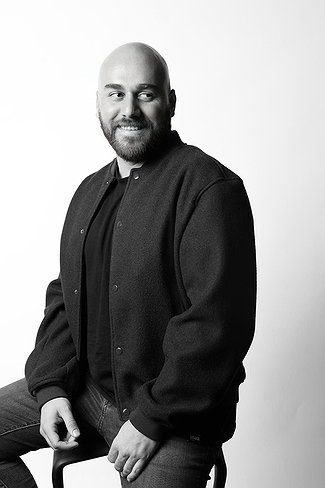
Onur Çınar
Senior Marketing Executive
ISKO
Denim’s workwear heritage is back in the spotlight, reinforcing the appeal of authentic constructions, timeless silhouettes and products designed to remain relevant beyond a single season.
Consumers have not lost their appetite for novelty, but they are becoming more intentional about the trends they embrace. The emphasis is shifting away from short-lived statements toward products that combine contemporary aesthetics with lasting wearability.
Innovation is no longer defined solely by silhouette but also by the richness of color, the depth of texture, the quality of hand feel, and the ability to deliver both comfort and authenticity. New dyeing techniques, advanced finishing developments and evolving fabric constructions allow brands to reinterpret classic denim codes in ways that feel modern and relevant.
Rather than a choice between functionality and fashion, the industry is moving toward a convergence of the two. The products that resonate most strongly are those that successfully balance heritage, innovation and longevity, offering consumers not only something desirable today but also something they will continue to value tomorrow.
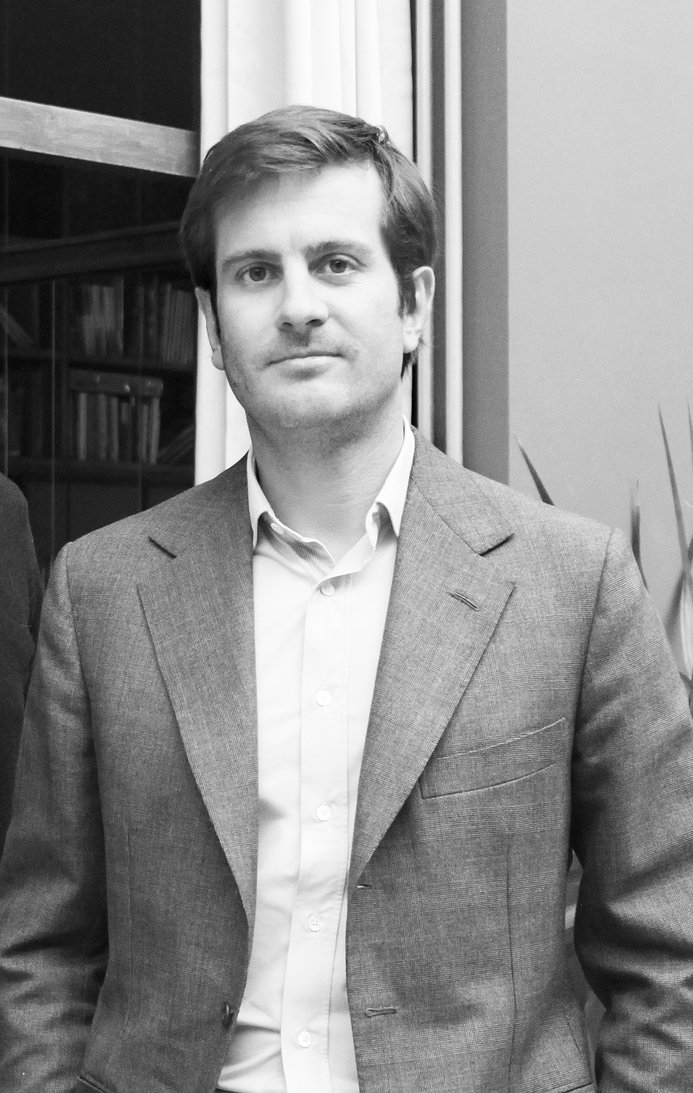
Filippo Colnaghi
Brand Manager
XLANCE
We are seeing a renewed appreciation for what originally made denim successful: durability, functionality and versatility. While trends will always influence the market, today’s consumer increasingly expects garments to justify their price through long-term performance, comfort and longevity.
At the same time, brands face growing pressure to differentiate themselves in one of the most competitive categories in apparel. Authenticity remains important, but authenticity alone is no longer enough. Brands are actively searching for meaningful technologies that can enhance product performance while creating compelling stories that resonate with consumers.
The original success of denim was built on reliability and durability. Technologies that improve garment longevity—shape retention and long-term performance—reinforce those values rather than replace them.
The future of denim is about using innovation to strengthen the qualities that made denim iconic. Consumers appreciate trends but ultimately invest in products that continue to perform long after the trend has passed. The brands that succeed will be those that combine authentic denim values with technologies that deliver measurable improvements in everyday wear.
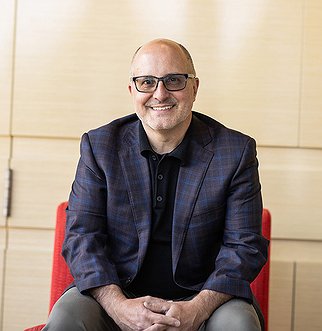
Chad Doub
Global Market Segment Manager, Casual Wear and Home
Eastman Naia
Consumers still love the authentic appearance of denim and the heritage values associated with it. What is changing are their expectations around comfort, versatility and everyday wearability. Denim is no longer reserved for specific occasions; it has become part of a lifestyle that requires garments to perform across different environments, climates and moments of the day.
We see growing interest in denim that preserves its authentic look and structure while delivering a softer hand, greater comfort and enhanced performance. Innovation should work from within the fabric to improve the overall wearing experience.
The evolution of denim is happening from the inside out. Consumers increasingly expect familiar denim aesthetics to be paired with lasting softness, breathability and versatility. Through Naia Renew, we are helping mills and brands create denim that remains authentic on the outside while being enhanced within.
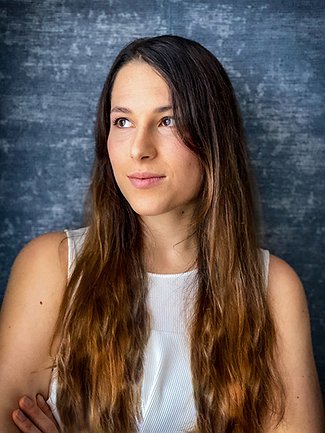
Anatt Finkler
Creative Director
Global Denim
The answer depends on the demographic we are targeting. With an older, more-conscious generation, longevity and authenticity will prevail; denim items that can last a long time and are, in a certain way, timeless, are always on trend. Think a basic Levi’s 501 or a straight jean with an authentic wash.
When we cater to younger generations, where social media plays a much more important role and they are constantly exposed to every micro trend and shift, demand will still lean more fashionable and on trend, even if individual purchases are less frequent. That necessity of being part of the collective and staying current will always support innovation in fit and fabric.
From a general fabric standpoint, demand for core products that sell consistently at lower price points is, of course, predominant as brands don’t want to invest in innovation that would significantly drive up their prices. Playing it safe can seem like the most common-sense solution when consumers feel strain on their wallets, but it’s important to keep innovating and show your consumer that you are still growing with your brand ethos and offering them exciting things.
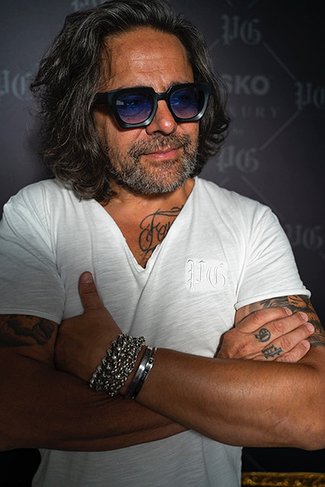
Paolo Gnutti
Creative Director
ISKO Luxury by PG
Consumers aren’t necessarily spending less today; they are just becoming far more selective. The real shift is about meaning, innovation and perceived quality.
While workwear heritage and denim’s legacy still matter, they are no longer enough on their own. At the same time, empty, trend-driven products are quickly losing relevance.
In my creative approach I always look to the past—craftsmanship, product culture, material authenticity—but my focus remains strictly on the present, to build something with lasting value. The goal isn’t to replicate, it’s to evolve.
The next step for the industry lies in engineered fabrics that merge performance, aesthetics and identity. In the premium and luxury segments, where differentiation is everything, consumers want garments that feel unique, offer comfort and deliver a strong visual and emotional impact.
The brands that win tomorrow won’t be the ones choosing between “classic” and “trendy.” They will be the ones creating relevant products that fuse function and innovation into a clear, unmistakable design language.
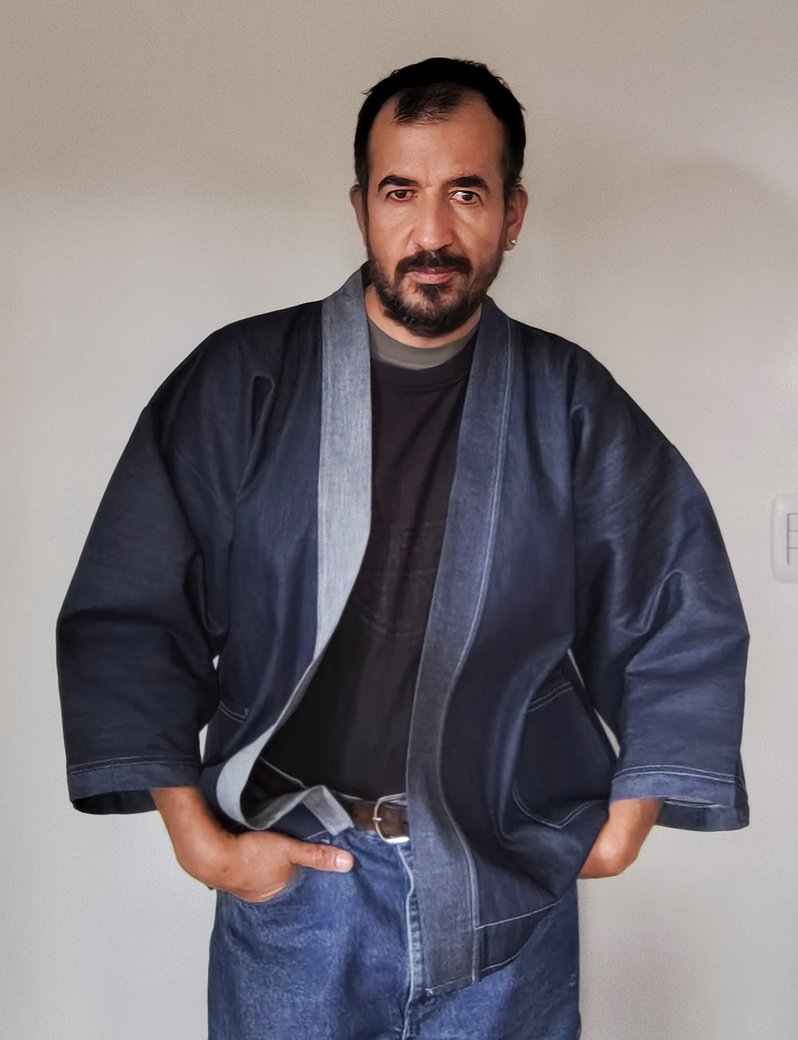
Juan Carlos Gordillo
Independent Designer
Economic pressure is certainly increasing interest in durability, versatility and the functional qualities that have always been part of denim’s workwear heritage. At the same time I do not see this as a rejection of trend-driven fashion.
During my travels across Europe, I observed that many younger consumers continue to seek self-expression through clothing. What stood out, however, was a growing appreciation for individuality rather than mass-produced novelty.
This shift presents an opportunity for the denim industry. Consumers increasingly want products that offer both longevity and identity. A garment can be timeless in its construction while still feeling relevant and distinctive.
Classic functional denim is gaining importance but not because trends are disappearing. Rather, consumers are seeking a stronger balance between durability, authenticity and personal expression.
Alihan Kesim
Deputy General Manager
Maritas
As consumers become more selective with their spending, we see brands placing greater emphasis on understanding what truly matters to their customer base rather than simply reacting to trends.
This has certainly brought renewed attention to denim’s core strengths—durability, authenticity and versatility. At the same time, trend-driven products continue to play an important role, particularly when they feel relevant to a brand’s identity and consumer community.
From our perspective, the most successful collections are not built around a choice between heritage and trend. Instead, they are developed by carefully considering the expectations of the target consumer and translating them into the right combination of silhouettes, fabric constructions, wash aesthetics, material choices and product stories.
Today’s consumers expect products that offer both value and emotional connection. As a result, we see brands taking a more holistic approach, where design, fabric innovation, sourcing decisions and storytelling work together to create products that feel authentic and relevant.
Rather than following a single industry direction, we believe the strongest opportunities come from building collections around a clear understanding of the consumer and what they genuinely value.
Amy Leverton
Founder
Denim Dudes
Yes, heritage denim is once again trending, but what we’re seeing now—which I’m calling Heritage 2.0—is a renewed appreciation for longevity, craftsmanship and authenticity but viewed through a very modern lens. We’re not in the 2010s era of craft beer, mustaches and Red Wings anymore!
The new generation is discovering denim’s workwear roots, selvage fabrics and archival details but reinterpreting them through today’s culture. So, yes, functional elements and pieces with lasting value are absolutely resonating, but consumers still want emotion, identity and newness. The strongest brands right now are the ones that can balance both: products with history and purpose but through a contemporary lens that feels relevant today.
This important topic is the subject of our “Heritage 2.0” panel on preservation to reinvention that we will host during our upcoming show with PREFACE LA in July to bring together industry experts and creatives to explore the direction and meaning of this new era of denim heritage.
Philippe Mignot
Project Manager
NextPrinting
Today, the visual language of denim can influence a wide range of worlds, from leather to technical materials, from outerwear to performance apparel.
Thanks to new printing and finishing technologies, it is now possible to transfer the identity of denim onto surfaces and products that, until a few years ago, would have been considered far removed from this universe. The ability to surprise consumers while maintaining the recognizable codes of heritage represents one of the most interesting dynamics in the current evolution of the sector.
Looking ahead, we believe personalization will play an increasingly important role. Digital technologies are opening up scenarios in which brands and consumers can interact more directly with products—choosing finishes, graphic effects or aesthetic variations before production. In this sense, denim could become not only a product to purchase but also a creative foundation to be interpreted.
Ebru Ozaydin
Product Category Director—Denim and Ready To Wear
The LYCRA Company
As consumers become more selective with their spending, there is growing pressure on brands to create products that deliver both style and long-term value. While trend-driven silhouettes such as barrel legs, utility bottoms and relaxed fits continue to generate excitement, consumers increasingly expect these garments to last longer, maintain their shape and prove their value over time. This shift is bringing renewed attention to denim’s workwear heritage, where durability, functionality and longevity have always been core attributes.
This is where the LYCRA XTRA LIFE fiber portfolio for denim and wovens becomes increasingly relevant. The platform addresses multiple wear-life challenges that consumers experience throughout a garment’s life cycle.
For brands, extending garment life is both a compelling value proposition and a practical sustainability strategy. Consumers may never see the fiber technologies inside their garments, but they immediately notice when their favorite jeans keep their shape, resist wear, and continue to look and feel great after countless wears and washes. In today’s market, durability is no longer just a technical feature—it has become an essential part of quality, value and responsible product design.

Stefano Parrotta
Technical Manager & Sales Development
Soko
Over the years, the need to chase trends and push denim treatments to the extreme has undoubtedly meant that jeans no longer have the durability or the ability to tell the wearer’s personal story as they did in the 1980s and 1990s. Even though today’s overall treatment styles look flatter and seem to harken back to that `80s vibe, it is fair to say that jeans have lost that long-lasting life and rugged resistance that originally made them famous.
At Soko, we are increasingly focusing our efforts on processes and chemical products that can strike a balance: maintaining an aggressive look and delivering those trendy effects that I believe are essential for the end consumer when making a purchase while simultaneously preserving the strength and durability of the denim.
One specific product that stands out is Hydrogel. It delivers a stunning stonewash effect, yet its unique properties protect the fabric during the friction and impact inside the washing machine, thereby safeguarding its resistance.

Irina Skrodele
Head of Communications & Marketing
Bluesign
Denim is one of fashion’s most enduring garments and one of its most chemically intensive to produce. As budgets tighten, both classic and trend-driven styles stay in demand. But the economics of cheap, trend-driven denim hide a cost that is getting harder to ignore.
Worn-in, distressed looks depend on finishing processes that are hard on the workers who perform them. Sandblasting, banned by many brands and outlawed in Turkey after fatal cases among workers, is still used in parts of the world.
When a consumer buys a cheap, trend-driven denim piece, the hidden cost is often paid by the worker who made it look that way.
Responsible production and longevity are not competing values; they are the same argument seen from opposite ends of the supply chain. This is why process-level standards matter.
Testing a finished garment tells you little about how it was made or what it cost the people who made it. Assessing the process, including the chemicals and the conditions on the production floor, is where real accountability begins.
Katie Tague
Senior Vice President, Global Marketing and Sales
Artistic Milliners PVT LTD
We’re seeing a stronger return to denim that feels authentic, functional and built to last. Heritage workwear details, vintage washes and versatile fits are resonating because people want pieces they can actually live in—not just wear for one Instagram post and retire to the back of the closet.
That said, trend-driven fashion is still very much alive; it’s just becoming more selective. At our recent vintage showcase at SFI, there was a lot of excitement around denim that balances nostalgia with freshness—relaxed fits, utility influences, worn-in character and pieces that feel personal rather than overly polished. What’s changing is that consumers want trends with staying power.
At Artistic Milliners, we’re seeing the strongest response to products that combine comfort, craftsmanship and individuality. In many ways, the industry is shifting away from fast, disposable fashion and back toward denim that people want to keep and that gets better every time they wash it.
Adam Taubenfligel
Co-founder and Creative Director
Triarchy
Economic pressure tends to sharpen priorities, and what we’re hoping is that consumers will become more intentional with their purchases. While trend-driven styles will always exist in the market, periods of uncertainty historically favor products that offer versatility, longevity, and a stronger sense of integrity and value.
Denim is uniquely positioned in that regard. Its origins are rooted in utility, and many of the qualities that made it a workwear staple, such as durability, functionality and timelessness, are increasingly relevant again. Consumers may not necessarily be looking for less style, but they are looking for more meaning and more mileage from the pieces they bring into their wardrobes.
At the same time classics should not be confused with basics. The opportunity for brands lies in creating products that feel contemporary while remaining grounded in enduring design principles. Trend and longevity do not have to be mutually exclusive.
Alice Tonello
Chief Brand and Strategy Officer
Tonello
I don’t think consumers are choosing one over the other. From what we see working with brands around the world, there’s a growing focus on quality, durability and versatility, but that doesn’t mean the appetite for newness has disappeared.
In fact, many of the projects we’re developing are about bringing these two aspects together. The interest brands are showing in technologies like indigo garment dyeing on multi-material garments is a good example. They want to create products that feel fresh and relevant while also offering more value and a longer life cycle.
Consumers still want something exciting, but they also want it to last.
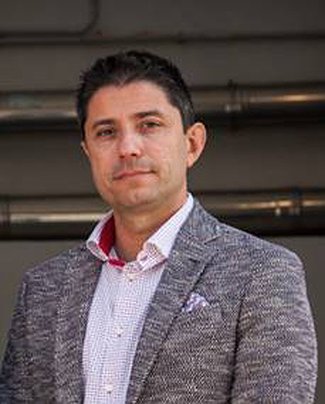
Andrea Venier
Managing Director
Officina39
Denim has always existed at the intersection of utility and desire. When consumers feel greater pressure on their wallets, the value equation becomes sharper: A garment must justify its purchase not only through price but also durability, versatility and emotional longevity. In that sense, denim naturally reconnects with its workwear lineage: strong fabrics, functional details, authentic wear, repairability and finishes that gain character over time.
However, this should not be read as a rejection of trends. Denim remains a powerful language of self-expression, and trend-driven styles are still relevant. The strongest denim products today combine elevated standards with modern aesthetics: garments that feel fresh but not disposable.
For brands, this creates an opportunity to design with more discipline and intent. Longevity should not mean boring, and sustainability should not lead to visual uniformity. Through smarter chemistry and finishing, the industry can deliver authentic vintage character, strong contrasts and creative effects while also enhancing garment performance and durability, as with Officina39’s Smart Bright range. The winning denim will be classic in purpose, modern and responsible in execution, and credible in performance.

Alejandro Ventura
Sales Director
Tejidos Royo
As consumers navigate ongoing financial pressures, we are seeing a clear shift toward timeless, functional denim rooted in durability and versatility. Classic fits, dependable fabrics and pieces that offer long-term value are resonating more strongly, especially as shoppers become increasingly intentional with their purchases. There is a renewed appreciation for denim that reflects its workwear heritage—reliable, adaptable and built to last.
At the same time, trend-driven styles have not disappeared; instead, they are evolving. Consumers are gravitating toward modern updates of classic silhouettes rather than fast-moving, short-lived trends. This results in a balance where innovation exists, but it is grounded in wearability and longevity.
Ultimately, the brands that succeed are those that blend authenticity with subtle innovation—delivering denim that feels both current and enduring.
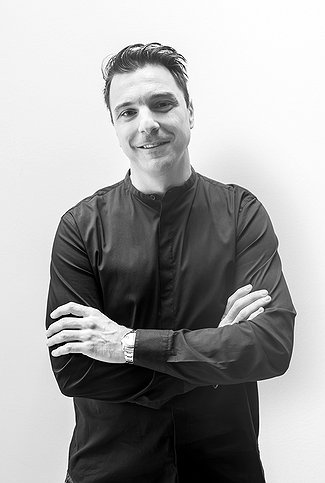
Matteo Vivolo
Chief Sales Officer
Vivolo
Consumers are making more-selective purchasing decisions, gravitating toward garments and brands that convey authenticity, quality and longevity. This does not mean compromising on style; rather, it reflects a greater appreciation for superior materials, refined details and products designed to stand the test of time.
Elements such as leather patches, trims and accessories no longer serve solely an aesthetic or branding function; they have become tangible indicators of value. Within just a few square centimeters, they can communicate a brand’s identity, design expertise and commitment to quality.
In a market that rewards timeless products with elevated quality, trims and labels are no longer simple complements to the garment; they have become powerful tools through which brands express their identity, heritage and perceived value.

Vivian Wang
Chief Executive Officer
Kingpins Show
What’s emerged isn’t simply a pullback from spending; it’s more of a reset.
Consumers are more selective about where they spend their money. They still want fashion and trends, but they increasingly expect value, longevity and authenticity at the same time. The growing interest in vintage and secondhand markets demonstrates a willingness to invest in products perceived as genuinely worth the cost. Quality and provenance matter.
What makes this moment distinctive is that it’s happening alongside a blurring of the old lines between luxury and mass market—something laid out quite clearly in the “Curating the Market” forecast from Be Disobedient, presented at our recent shows in Amsterdam and Hangzhou, China.
At the center of that forecast was the idea of the “massclusive” consumer: someone who moves easily between high-design and mass market. The tiers haven’t just blurred—in many cases they’ve collapsed entirely.
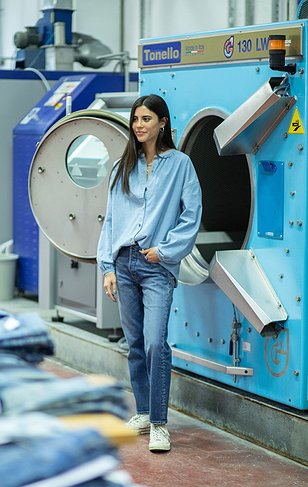
Ani Wells
Founder and Director
Simply Suzette
I think that both are true, but the way value is being understood is shifting.
People are becoming more thoughtful about what feels worth spending money on. That doesn’t mean a higher-priced pair of jeans is out of the question, but the reasoning has to be clear.
That is where denim’s workwear roots feel really relevant again. Functional details, durability, repairability, strong construction and timeless fits all help communicate longevity in a way that feels practical versus performative. People want pieces that can live with them, soften with them and actually hold up in real life.
But I don’t think trend-driven denim is disappearing. People still want emotion, novelty and a point of view. A statement jean, an interesting wash or a new silhouette can still feel worth it if it brings something distinct to someone’s wardrobe.
So, I do not see it as a classic versus a trend. The strongest denim right now probably sits somewhere in between. It has enough function, quality and versatility to feel like a smart purchase but still enough design perspective to feel desirable.
Responses have been edited for clarity and space.